Where Is the Best Place to Tutor – What I've Learned over 14 years
There are 4 different locations where you could base your tutoring from: at your home, online, at their home or in a general setting.
We’ll go through each of these, and I’ll try and be objective…
https://www.buzzsprout.com/1231634/episodes/19260389
The most common form of tutoring initially was one-to-one tutoring in the tutor’s home.
For the tutor it means you save yourself the financial or time expense of travel and you have all of your resources to hand. Because of the convenience to you in that respect you may lower your prices slightly as the parent is experiencing the inconvenience, however, you are still potentially offering 1-to-1 lessons so for that you can justify charging more of a premium.
Like I say, here the parents have the inconvenience of travelling and it is harder to build a rapport with them if they don’t come to the house with the child. Bearing in mind they are the ones who pay for the lessons, the bigger the rapport you can build the better.
If this is the case, you will probably need to find a way to regularly report back to the parents on what you’ve been working on as often if they ask their children how it went the response will be something along the lines of: it was fine. What did you do? I can’t remember, or I don’t know what it’s called. Which may leave the parents questioning what they are paying for especially if the child is reluctant to go or there isn’t the uplift in the child’s confidence or grades that they were hoping for.
Online tutoring.
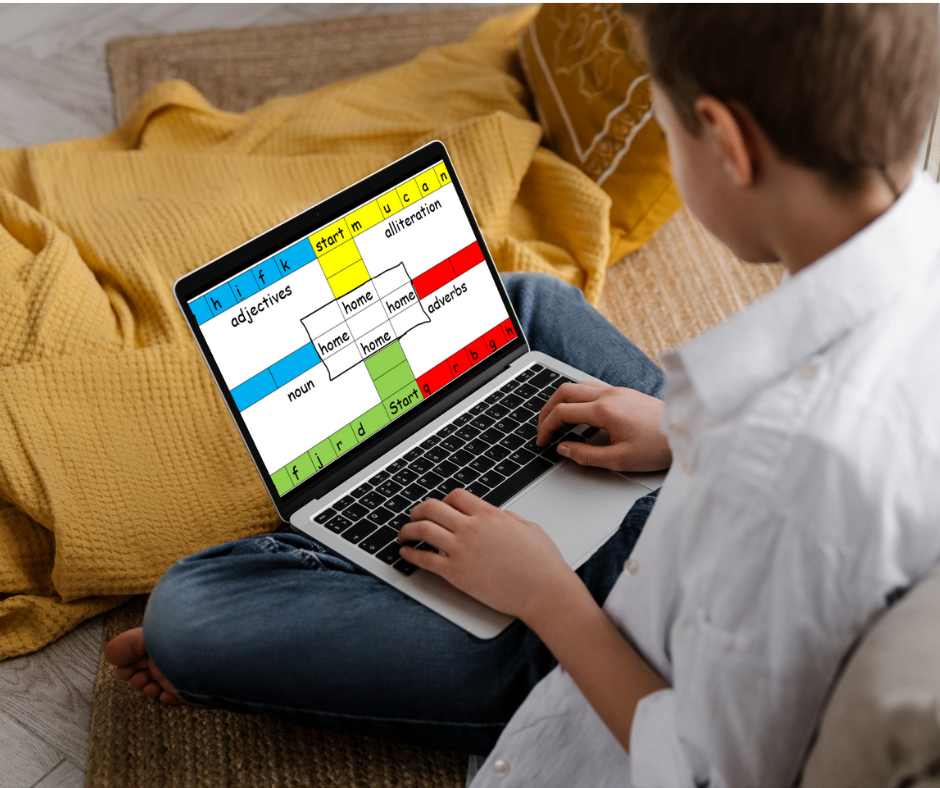
The demand for this rose for a while throughout lockdown and for a short while after and although it still suits many families, many more are saying: actually no, we did enough of that in Covid, or it didn’t work for my child in lock-down we much prefer face-to-face.
Like tutoring in your home, it can be a much cheaper option for the parents as you’re not having to travel or create physical resources. It means the parents aren’t having to travel or loiter whilst the child is in their lesson. Most kids are also technically savvy enough that they don’t need their parents there to help.
Again, it does put a wedge between you and the parents, so after each lesson you may ask to talk to the parents still or send them a quick email or message to keep them in the loop as to what you’ve been doing.
It is harder work for you to capture the attention of many reluctant learners when you are online as it is easier for them to turn their camera off and occupy themselves with something more entertaining such as their phone and just grunt at you from time to time to let you presume they are still actively involved.
Online lessons also seem to have a higher cancellation rate with people just not turning up, so you will need a strong cancellation policy in place to ensure that you are still paid for your time even if it is not for the full hour that the lesson was intended to last.
The next option involves biggest effort for you but the easiest option for the parents: tutoring in their home.
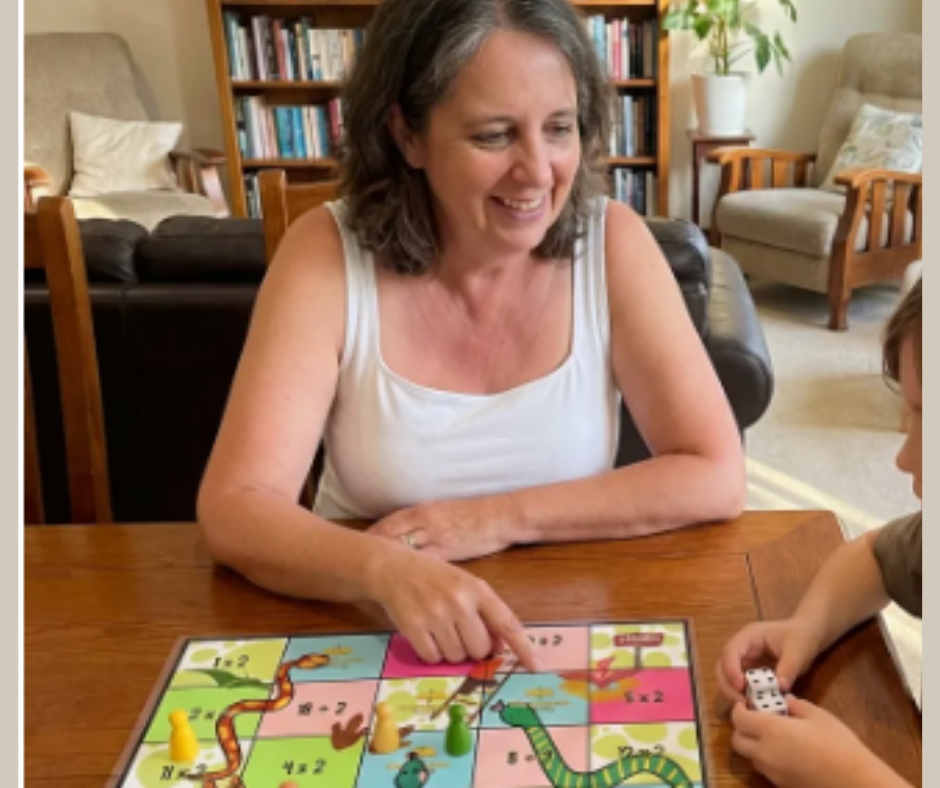
The pros and cons to this approach are the most extreme. You can charge far more because of the convenience for the family, but it will reduce the number of families you can work with on any given day because you have to consider travel time. You will also have to have physical resources and be organised so that when you turn up, you have enough relevant resources for the full hour.
I always double check with families on the day, or the day before that they are still expecting me and if there is anything specific, they would like us to focus on. They will let you know, generally needs to be finished with but don’t hold your breath. Some do, but I normally liken it to cooking a fancy meal for your other half’s boss. You ask if there is anything specific you should cook, and they say anything. You cook a roast beef and pork with all the trimmings. When they arrive and you proudly take it out the oven, they announce that they are vegan. Some parents underestimate the time and effort that has to go into preparing for a physical lesson when you don’t have your supply of resources to hand.
It is on many levels much more effort. However, the child is in a location where they feel more at ease so they will be in a better state of mind to learn. It is also more convenient for the parents, so they are less likely to look for an excuse to stop. You can build up a better rapport because you are working 1-to-1 and can read their body language better. It’s easier to tell if you are explaining something in a way that they understand or if you are just talking at them without making sense to them.
The final option is often reserved for bigger tutoring agencies that position themselves in shopping centres, high streets, or similar.
That is tutoring from a central base.
For some it will be the best option by far as it ensures that they are not interrupted and there is a clear dividing line between home and work.
However, you need to consider the additional costs that will be incurred (though you can claim them back as business expenses you need to earn that money first.) You don’t want to be working just to break even.
Every option has its advantages and disadvantages like most things do. We offer online and in-person at their home. That works well for us, but you will need to decide what is the best option for you, and why.

I hope this helps. I recently wrote a book: Become a Tutor. Build Confidence. Change Lives.
If you would like a free copy (no strings attached just a gift from me to you) drop me an email at [email protected].ukor click on the link below and I will happily drop a copy in the post for you: Become a tutor - Free copy of my book