What I understand about supporting neurodiverse students
What Supporting Neurodiverse Children Has Taught Me
A parent emailed me recently asking what I know about supporting neurodiverse children.
I smiled when I read it because the honest answer is that I could probably talk about this subject for hours.
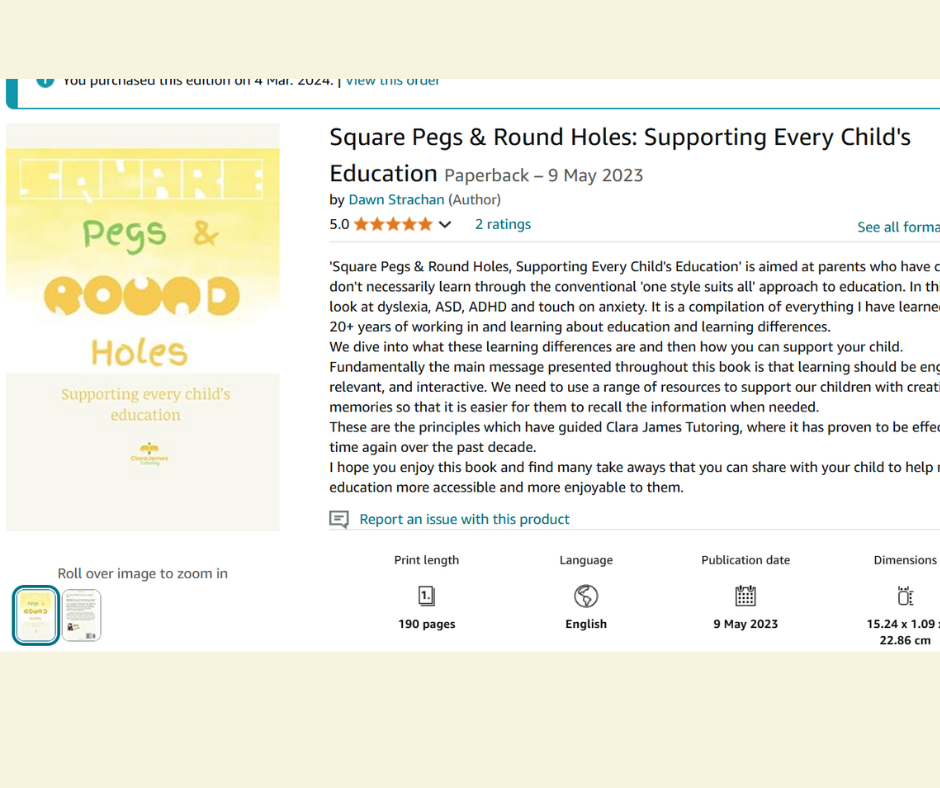
A couple of years ago, I even wrote a book about supporting different learning styles. (If you would like a free copy, I would be more than happy to pop one in the post for you.)
But it got me thinking about where that interest began.
It Started with My Daughter
Many years ago, I suspected that my oldest daughter might be mildly dyslexic.
Wanting to understand more, I attended a course at the local college and then approached her school to discuss my concerns.
The response surprised me.
I was told that dyslexia was often used as an excuse for laziness and that there wasn't really an issue.
Looking back, I wish I had challenged that view more strongly, but at the time I didn't have the confidence.
Instead, I decided that if I couldn't fight the system, I would learn everything I could about how children learn. If I understood more, perhaps I could support my daughter myself.
At the time I was also studying for my degree, so it seemed a natural path to follow.
Learning What Doesn't Work
Around the same time, I was working in an early years setting and supporting a Reception class.
Four of the children in that reception class had recognised ADHD.
The classroom was stressful. Very stressful.
The teacher's approach to behaviour was largely based on raising her voice and trying to impose discipline through volume.
The louder things became, the more chaotic the environment seemed to get.
I learned a lot during that time.
Perhaps not so much about how to support neurodiverse children, but certainly about how not to.
Learning What Does Work
Later, I worked briefly in a residential setting for autistic children who were unable to cope in mainstream schools.
The contrast was incredible.
Everything was adapted to meet the needs of the individual child.
Where accommodations could be made, they were.
Staff looked beyond behaviour and sought to understand what was causing the difficulty in the first place.
The atmosphere was calmer, more supportive, and far more child-centred.
Again, I learned a huge amount.
After moving back to Buckinghamshire, I also spent time working within the Chinnor Autism Base, which gave me further opportunities to observe different approaches and learn from experienced professionals.
One Idea That Has Stayed With Me
One concept I came across whilst studying dyslexia has stayed with me ever since, and I think it applies to every child, regardless of whether they have a diagnosis or not.
Imagine you teach a child something using only worksheets.
Worksheet after worksheet.
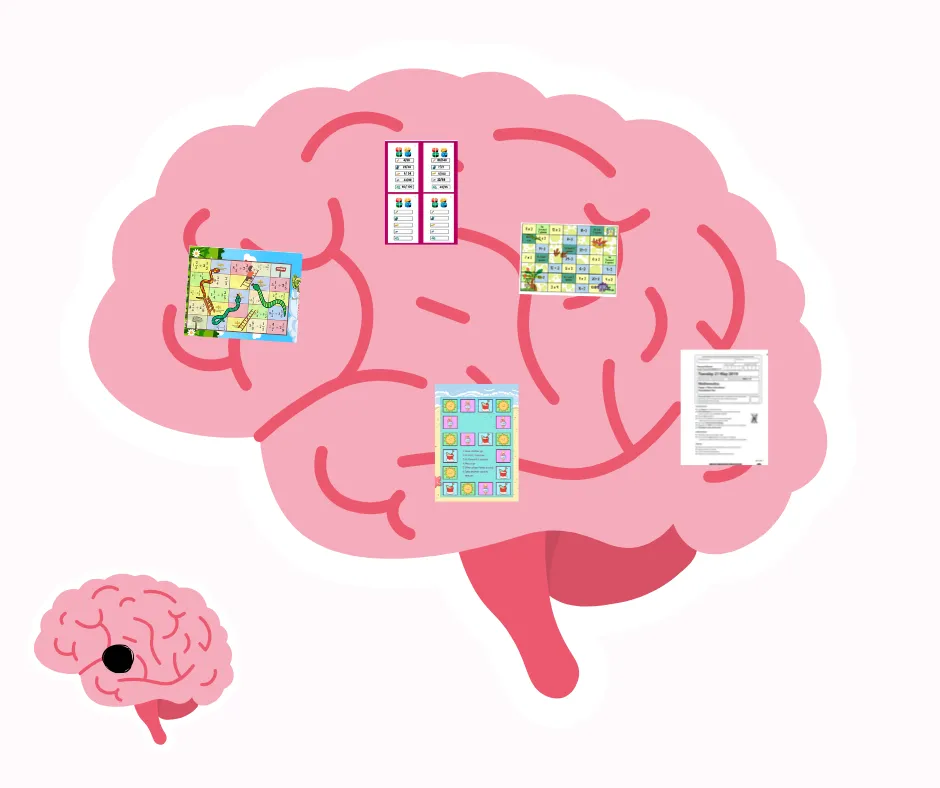
What you're really doing is strengthening one pathway to that piece of information.
One memory.
One route.
For some children, that's enough.
But for others, particularly those who are anxious, dyslexic, autistic, ADHD, or simply learn differently, finding that one pathway again later can be difficult.
However, if we teach the same concept through games, discussions, practical activities, visual aids, stories, movement, videos, and worksheets, we create multiple pathways to the same information.
If one route isn't accessible on a particular day, there are plenty of others available.
That idea transformed the way I teach.
It's one of the reasons Clara James Tutoring uses such a wide variety of resources and approaches.
The Most Important Lesson
Perhaps the biggest lesson of all is this:
Work with the child sitting in front of you.
Not the label.
Not the diagnosis.
Not your preconceptions.
The label may help us understand some of the challenges a child faces, but it doesn't tell us who they are, what motivates them, what interests them, or what support they need.
Every child is different.
Every child deserves to be seen as an individual.
And in my experience, that's where the real progress begins.
If you would like a free copy of my book on supporting different learning styles, just drop me a message with your postal address and I'll happily pop one in the post for you.
It's a subject I'm incredibly passionate about, and one that I suspect I'll continue learning about for many years to come.